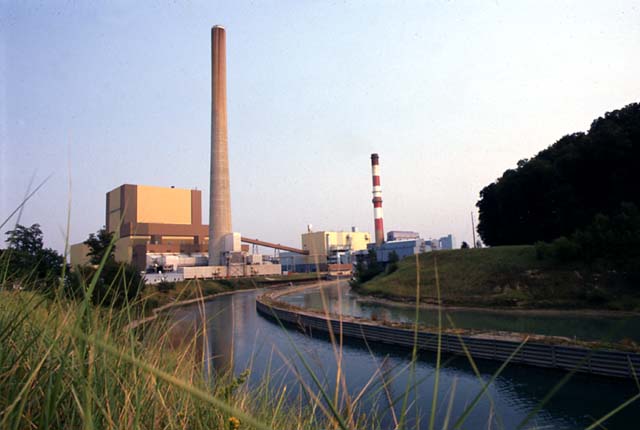
There are draft stages for attaining a locally controlled electric cooperative for the Exploratory Committee for Locally Controlled Electric Cooperative, and below are the deal’s draft initial contours, based upon a financial estimate of values:
- The electric cooperative obtain Consumers Energy’s majority interest in the Campbell property, but assume the environmental and other liabilities associated with that interest. It should be noted that the estimated fair market value of the Campbell property is significantly below the estimated liability value.
- The Office of Energy Dominance Financing provide financing and technical know-how for the following likely projects at the Campbell: conversion of unit one at the Campbell to gas from coal, initial groundwater remediation, treatment of the wastewater to be used in co-located data center (instead of currently planned deep underground injection), and use of fly ash for extraction of rare earth minerals and other industrial uses, in addition to what Consumers Energy has already arranged. The suggested request loan amount is $103 million.
- Purchase at fair market value, less the excess of liability of the Campbell over the Campbell property’s fair market value, by the Ottawa County, Michigan cooperative from Consumers Energy its area distribution grid, financed by a RUS loan. The suggested request amount from RUS is $300 million.
- A two-year service contract with Consumers Energy to run this distribution grid of the local electric cooperative at agreed upon rates. The electric cooperative board would superintend this service contract with Consumers Energy, as well as decide upon what should happen after the conclusion of the initial service period.
- A two-year service contract with Consumers Energy to consult regarding the Campbell at agreed upon rates.
- Long-term contract with a data center to be co-located in the Campbell area, utilizing Campbell generators for its energy needs, as conceived and promoted by the Trump Administration, and with no backup diesel or gas generators. This would also include stipulated provisions to curtail noise pollution, as well use of treated waste water from the Campbell in the data center’s closed loop cooling system. The co-located data center would use a portion of the Campbell’s electric generation, while the rest would be used by the distribution grid of the locally controlled electric cooperative, as well as other purchasers of its electric generation. The contract would allow electric rate reductions for residential ratepayers, changing the whole dynamic of data centers for local residents.
The electric cooperative would pay down its loans over time from revenues generated by its Campbell electric generation as well as electric distribution in its covered area.