It must start with a locally elected electric cooperative board which makes sure that local interests come first, rather than the current prevalent model where large monopoly utility executives and investors like of Consumers Energy and DTE call the shots with respect to our electric grid. The latter put their economic interests first. It is not helped that their profits are decided by appointed bureaucrats that run the MPSC and who are generally cozy with Consumers Energy and DTE executives.
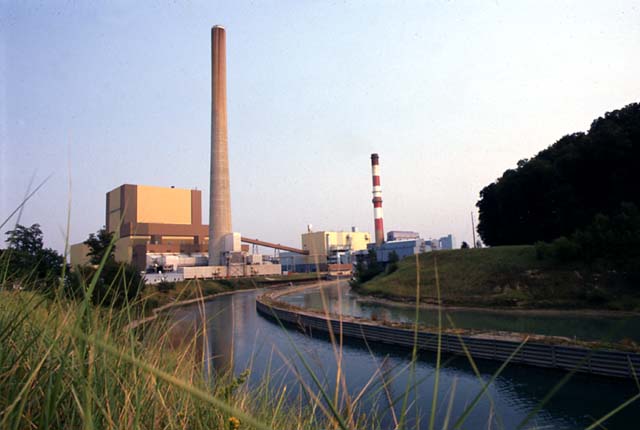
With a locally elected electric cooperative board, a co-located data center with a fossil fuel plant like the Campbell can actually make things better for local residents. First, the data center can be charged premium rates, which lower and subsidize local residential rates. This is just the opposite of what is happening with the current model. The current AI data center model drives up electric rates for local residents given the increased electric demand, while the monopoly utility and data center executives and investors accrue the extra profits.
Second, the co-located data center can be made to help resolve environmental issues with the fossil fuel plant like the Campbell. For example, the data center can pay for treatment and then use any wastewater associated with the fossil fuel plant. Data centers need water for their cooling systems, but it does not need to be potable water. Also the additional money from the data center can be used to subsidize the sale for commercial purposes of other byproducts from the generation process, such as the sale of the coal fly ash, and the extraction of rare earth minerals from it. Recycling it avoids and corrects many problems associated with just burying it and accumulating it on site, which has created significant problems at the Campbell as well as other sites. The data center can also help subsidize progressive improvements to curtail pollutant emissions. This can include improving scrubbing equipment, and in some cases with much older generating units converting from coal to gas.
With local residents in control through locally elected board representatives , we can make sure the AI data center is built in ways that are sensitive to local concerns, such as with closed loop water systems, a location in the Campbell area which least affects local residents, and lighting and other systems which do not mal-affect local residents. Most importantly, co-location at the Campbell can eliminate the need for highly polluting backup energy storage systems. Three or more generating units at the Campbell complex can provide all of the reliability needed: it can both save money and reduce pollution.
Data centers, like coal plants, are not inherently evil, but they must be managed properly so that local interests come first and local concerns are addressed. Like guns, they can be used for good or for ill. The solution is not elimination, but proper usage. In order to compete with China in the modern economy, we need the computing power of data centers. We can be sure that if we do not, China still will.
Will Ottawa County stick with its current failed model, or will it switch to a locally electric cooperative board which can actually work for local interests? Will we choose to help the Exploratory Committee for a Locally Controlled Electric Cooperative or will we do nothing and just complain about the current state of affairs?