Delivered at the public hearing on 07/23/2026:
“Joseph Parnell McCarter, volunteer leader of the “Save The Campbell” effort in Ottawa County and resident of Georgetown Township. I am also moderator of the Exploratory Committee for Locally Controlled Electric Cooperative, that is seeking ways to purchase the Campbell from Consumers Energy, instead of Consumers Energy’s path of demolishing it.
Thank you for this opportunity to present my recommendation.
Consumers Energy is on the fast track for approval of permits to install two deep injection wells in Port Sheldon. The wells will be used for long term storage of ‘’non-hazardous wastewater generated from the JH Campbell” plant.
Consumers Energy chose the easy, inexpensive path for decades, rather than the most environmentally responsible path of selling the ash for use in commercial and industrial processes, so that it would not accumulate on site. So there have been decades of disposal of ash allowed to accumulate, with consequent wastewater, rather than the long-term environmentally responsible path. We should learn the lesson from that mistake and not repeat it now.
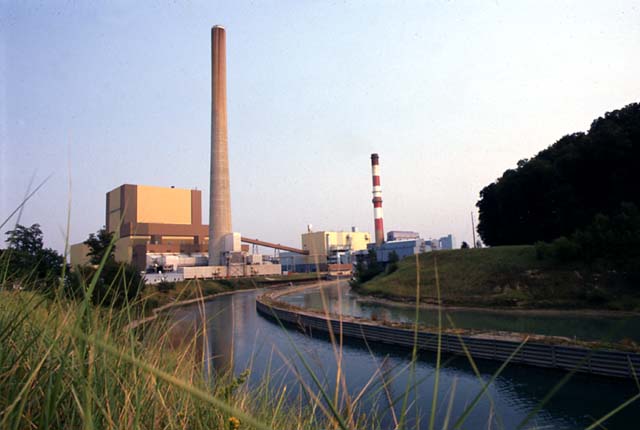
We can and should keep the Campbell operating, but we need to dedicate ourselves to operating it in an environmentally responsible way, including with what we do with this wastewater. It also includes likely converting unit 1 at the Campbell site to gas, while retaining unit 3 as coal, given it has invested in it $1 billion in anti-polluting equipment meant to last to 2040. We need the plant with its reliable electric for our grid, given the rising demand for electric, especially by data centers. It is much more environmentally responsible to have a co-located data center at the Campbell rather than data centers which utilize diesel generator electric backup, which is highly polluting and noisy for neighbors. And the Campbell wastewater can be used for such data center in a closed loop cooling system rather than burdening other water sources.
As a matter of general policy, we should seek to treat and reuse wastes, including such wastewater, rather than burying it as is and hoping for the best. I would especially suggest investigation that a significant portion of that bulk wastewater be treated for use in both a co-located data center’s cooling system, plus perhaps other ones, and for other commercial purposes. Data centers in Arizona and Virginia use reclaimed municipal wastewater, so there is precedence for using wastewater in data centers, but it should be noted that the Campbell wastewater would need more pre-treatment than these municipal wastewater systems. There is a huge need for water in data centers now, so there is good reason to explore using the water for them rather than simply injecting them deep underground as is. Consumers Energy’s plan is within standard industry protocol, but the risks of their method can be reduced the more we can decrease the volume of wastewater injected deep underground. Furthermore, AI financial analyses indicate its treatment and use in a closed loop cooling system for a data center could be more cost effective than the deep underground injection method. You can view some of these analyses at the SaveTheCampbell.com website, showing millions of dollars could be saved by the approach I am recommending. The Exploratory Committee for a Locally Controlled Electric Cooperative represented by many townships in Ottawa County is investigating the possibility of a co-located data center for the Campbell plant, but this proposal for the Campbell wastewater could also be pursued by Consumers Energy.
In summary, there is good reason to believe there are better ways to address the wastewater issue than simply burying it deep underground as is, where it potentially can leak and cause damage over time. The approach I am recommending is not only more environmentally responsible, there is evidence it is more cost effective. Furthermore, at a time we need water for data center cooling systems and for other industrial purposes, we need to use this Campbell wastewater rather than burdening other water systems for data centers and other industrial uses.”
I appreciated that Kevin Maas and others spoke up at the public hearing for more environmental responsibility on this topic.