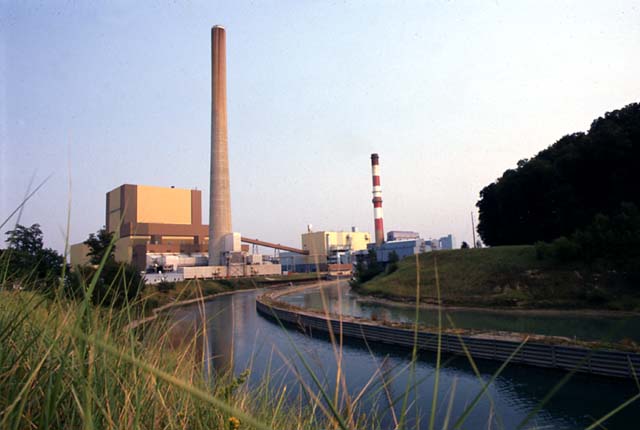
Wood, like coal, can be utilized to meet the growing demand for electricity, including by data centers. Both can be the fuel source for electric generation, providing reliable energy 24/7, which is what data centers need, but that solar and wind cannot provide. And both can use the latest technology for successfully scrubbing real pollutants from emissions. Scrubbing technology can be customized by application for optimal performance. Canada’s northern boreal forests provide an abundant source of wood for this enterprise, and data center demand can be the vehicle for paying the cost. A data center co-located next to such a generating plant can be built in such a way as to avoid the environmental hazards common to the way many data centers are being run with use of backup diesel generators. Any waste water from the plant can be treated and used in a closed-loop cooling system of the data center. And Canada’s generally colder climate makes cooling the data center generally less expensive.
It is important that logging of wood for energy use be done in a way that reduces fire hazard and does not add to it; it is possible to log in a way that increases fire hazard. Proven, science-based forest management tools like logging, thinning, and controlled burns reduce excessive vegetation that fuel catastrophic wildfires.
But Net Zero proponents generally stand opposed to the use of wood and coal to generate electricity even in generating plants that successfully scrub real pollutants, due to their misguided alarmism over CO2 emissions, along with their biodiversity arguments. Here is an example of how Net Zero “environmentalists” are stopping the use of Canadian boreal forest wood to generate electricity, on the grounds its use emits CO2 and hurts biodiversity. Net Zero activism promotes Canadian forest mismanagement by curtailing even sound forms of logging. The result: thousands of acres of forest harmfully burn each summer, releasing uncontrolled pollutants upon large North American populations. Net Zero proponents are impeding the judicious use of wood, even as they are impeding the judicious use of coal like the Campbell. Emphasis has been placed over recent decades on management approaches closer to natural dynamics over human forest activity like logging, in accordance with the Net Zero philosophy.
It is even worse though, because Net Zero proponents falsely accuse the fossil fuel industry for Canadian wildfire pollution, on the grounds that CO2 emissions from the fossil fuel industry are the cause of Canadian and global warming, and it is the reason for more Canadian wildfires, diverting from the truth that:
- CO2 emissions from the North American fossil fuel industry are having minimal impact on global warming.
- Even if the USA were to demolish all of its coal plants, it would have no discernable effect on Canadian wildfires, but it would significantly impair the US grid.
- CO2 is greening the earth and having a net positive impact at current levels.
- The earth is not dangerously warming, contrary to UN fear-mongering. Weather-related costs as a % of GDP have actually been declining.
- It is the Net Zero “environmentalists” pushing their agenda that is the major roadblock in resolving the Canadian wildfire pollution problem.
People need to become more aware of both Net Zero falsehoods as well as the way the Net Zero international community has put pressure on Canada to stop logging. Foremost in this Net Zero push, including in the curtailment of logging, is the UN as part of UN Agenda 2030. They are impeding the resolution of the wildfire pollution Americans are experiencing, but they are deflecting the blame onto the fossil fuel industry.