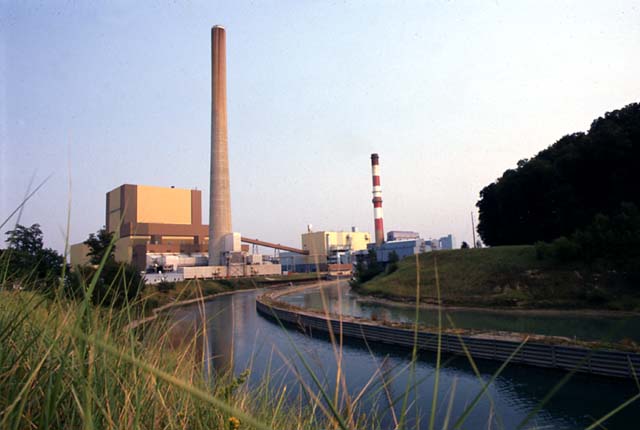
Ottawa County is in the bullseye of the Net Zero agenda, as manifested by Consumers Energy’s plan to close Campbell, Key Capture Energy’s planned battery plant, and area farmers being approached to sell their properties for conversion into solar panel fields. There are many long-term local costs related to large-scale battery and solar panel sites that now need to be taxed so that local taxpayers do not get stuck with the huge bill and negatives, including:
- Proper disposal at end of their economic life, as they contain many dangerous chemicals that we do not want in our groundwater
- Land reclamation, as there can be toxic chemical leakage on the fields
- Continual safety and environmental monitoring
- Fire and emergency hazards, especially of large-scale battery sites
- Depression of area property values, as many do not want to be next to large-scale battery and solar panel sites because of the potential dangers and hazards, including the eyesore of large-scale solar panel fields
These taxes can effectively be enacted via permit fees, special assessments, and other charges on these enterprises.
Taxes need to be enacted by Ottawa County municipalities on these enterprises to compensate for their negatives. But even these taxes will be inadequate if not coupled with the “Save The Campbell” proposal for Ottawa County to move away from Consumers Energy and on to electric cooperatives, and their acquisition of the Campbell from Consumers Energy. If Ottawa County instead stays with Consumers Energy, then Consumers Energy will simply reimburse enterprises like Key Capture Energy for the local environmental taxes they pay and shift the costs to consumer rate payers. So the environmental taxes will only increase the increasingly high electric energy rates that Consumers Energy charges, unless we move from Consumers Energy to electric coops.
In truth, we do not need battery plants if instead we have the combination of gas and coal generating plants for our baseload electric. Unlike solar and wind, this combination allows us to adjust electric generating capacity short-term and long-term to demand. In contrast, solar and wind electric generation cannot be controlled, but is at the whim of natural circumstances. Here in West Michigan, natural weather changes make solar and wind especially impractical for our baseload electric. Battery plants like Key Capture Energy’s are very inadequate to meet that challenge, because they only store energy for about four hours per their company representative. Local electric coops need to acquire the Campbell plant and use them as a major source of generating capacity for themselves as well as for sale to others. These coops can be energy-rich exporters of electricity at a time of huge electric demand.