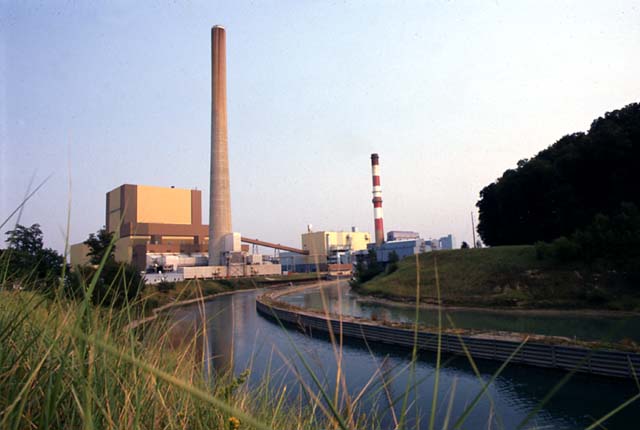
“In 2023, approximately 50.16% of all electricity sourced by Consumers Energy was procured on the wholesale power supply market. The remaining 49.84% was generated by facilities the company owns.” (per Google AI). This would have become even less if Campbell were absent. So most of the electricity purchased from Consumers Energy derives from the wholesale power supply market and not what Consumers Energy itself produces.
What is especially driving up the price of electric on the wholesale power supply market? Per Google AI:
“Wholesale power supply costs in Michigan are projected to increase in the near term due to rising natural gas prices, infrastructure investments, and the transition to renewable energy sources. Specific future per-unit costs are highly variable and depend heavily on utility-specific factors and market conditions.
Cost Projections and Drivers
- Rising Costs: Electricity rates in Michigan are expected to continue increasing, potentially outpacing inflation, due to broad inflationary pressures, higher fuel costs, and significant infrastructure investments by major utilities like DTE and Consumers Energy.
- Natural Gas Prices: The cost of natural gas is a primary driver of wholesale electricity prices, as it often fuels the marginal generator. Federal forecasts project the Henry Hub natural gas spot price to increase to an average of around $4.80/MMBtu in 2026, up from approximately $4.28/MMBtu in 2025. These increases are expected to push up wholesale power prices in most regions of the U.S.
- Infrastructure and Renewables: The MPSC has approved billions of dollars in utility spending to transition to renewable energy sources and upgrade aging infrastructure. The cost of building new generation (e.g., new solar and wind projects) can be higher than existing generation, which gets factored into customer rates.
- Data Centers: The growing demand from large data centers could add billions in costs and force utilities to pay for more expensive new power generation, potentially increasing costs for other customers if not managed through specific tariff structures.
- Wholesale vs. Retail: The final retail rates for residential customers (currently averaging around 19-20 cents per kWh) include transmission, distribution, and other charges in addition to the wholesale power supply costs. Wholesale rates are a component of the total, but direct forward-looking wholesale price projections are generally available through market futures (e.g., MISO Michigan Hub futures), which fluctuate constantly.
- Volatility and Extreme Weather: Higher volatility due to rapid shifts between mild and harsh weather conditions can create price spikes during peak demand periods (e.g., extreme cold snaps or heat waves), especially when combined with infrastructure and supply constraints.”
The energy policy of Consumers Energy has been hurting Ottawa County residents by pursuing a higher cost direction given the above factors:
- Switching away from cheaper coal to its alternatives, including natural gas
- Aggressively spending on renewables (solar/wind/battery) rather than keeping fossil fuel plants like the Campbell operating
- Purchasing so much on the wholesale power supply market where prices are significantly on the rise due to factors like more data centers
- Allowing data center additions to the hurt of residential customers
Ottawa County needs local control of electric and a better energy policy than Consumers Energy provides.