Caterpillar is now enjoying record sales and profits from highly polluting and noisy generators for data centers, and it is projected to grow through 2030. Why:
“hyperscale data centers — facilities consuming 50 megawatts or more of power, enough to supply roughly 50,000 homes — are being built faster than utility grid connections can be established. Connecting a large new load to the grid can take three to seven years. Data centers need power on day one. That gap is what transformed Caterpillar’s Power & Energy division into one of the most sought-after suppliers in the AI buildout. The company’s large reciprocating engines and gas turbine generator sets can serve as prime power — meaning they run continuously, not just as backup — while a facility waits for utility connection, or indefinitely for operators who prefer grid independence…the company has been scaling large reciprocating engine production capacity from double its 2024 output toward nearly triple by 2030″ – https://www.techtimes.com/articles/322074/20260729/caterpillar-drops-state-data-center-bans-threaten-ai-power-generator-demand.htm
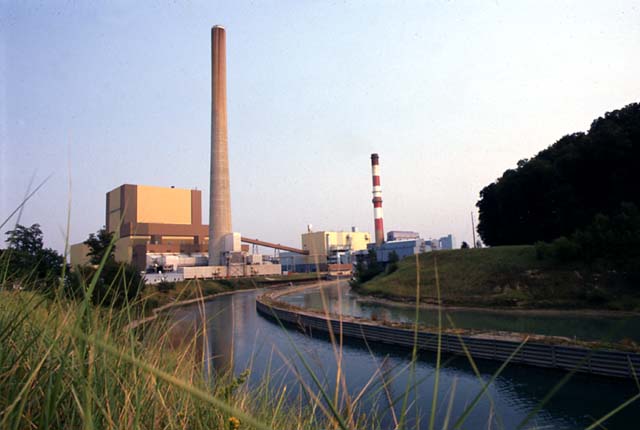
These generators are highly polluting, noisy and often exempt from EPA regulations, in contrast to unit 3 of the Campbell, with its $1 billion of anti-polluting equipment. “The preferred backup power source for data centers are big air polluters.” – https://insideclimatenews.org/news/12112025/data-center-diesel-generators-noise-pollution/ . Consumers Energy is all on board with the environmentally irresponsible Net Zero path of unreliable solar/wind/battery combined with data centers using these backup generators. Consumers Energy is a monopoly controlled by the MPSC, and its executives and investors are handsomely rewarded to follow the Net Zero path rather than what is best for the local citizens of Ottawa County.
Ottawa County and its townships should pass ordinances prohibiting any data centers in their jurisdictions which use this highly polluting and noisy generator approach, and instead their Boards should pursue the “Save The Campbell” approach of getting local control of our electric grid via a locally elected electric cooperative board, and pursue a path of a data center co-located with the Campbell, using a portion of its electric generation, and using the Campbell wastewater for its cooling system. The plan also calls for converting the oldest Campbell unit 1 from coal to gas. This approach can actually help us resolve environmental problems rather than worsen them, and we can then charge a premium to the data center so our local residential rates are reduced. We should “Save The Campbell” for continuing to provide reliable electric, and drop unreliable utility-scale solar/wind/battery for baseload electric.
In order for this locally advantageous approach to become reality, it needs local citizen and leadership support. Will you help us?